

Responsible design is not only what we choose, but how efficiently we use it. When you are specifying natural materials, that mindset can reduce waste and protect the story you are building for the space.
SanFoot natural wood veneer wallcoverings support that “waste not, want not” approach through Jacaranda’s patented slicing method. Higher yield can back up sustainability goals, while also improving predictability on real projects.
Waste Not, Want Not: Getting More from Each Tree
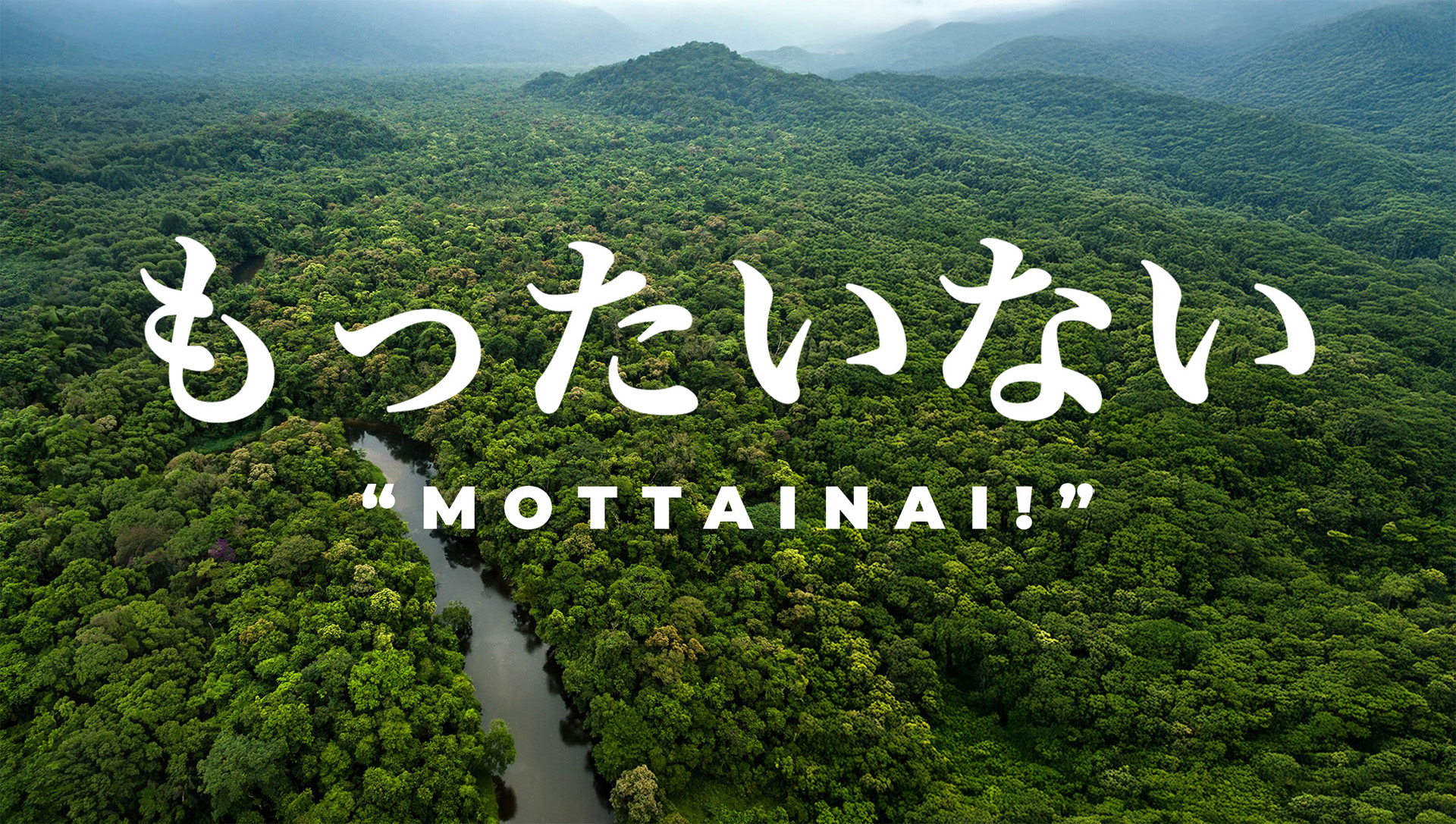
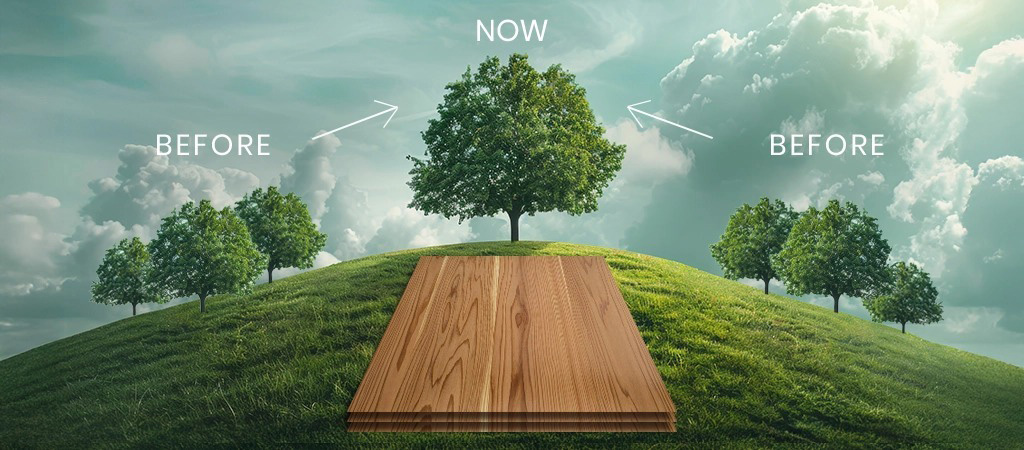
Jacaranda’s patented slicing process extracts approximately 300% more veneer yield from each log. That means fewer trees harvested to produce the same volume of natural wood veneer, with less material left behind as waste.
For designers, the takeaway is simple: you can specify natural wood veneer that still reads as architectural wood veneer and is authentic, while using wood more efficiently.
- More usable veneer from every log
- Less waste in production
- A natural wood surface that remains architectural and is not synthetic
Why High Yield Matters on Projects
High-yield veneer is not only an environmental win. It can also make a project easier to deliver, especially when you are designing large spaces, requiring long runs, and clean transitions when transitioning from direct gypsum installations to millwork.
- Better continuity across larger installations through longer sequence runs and end-matching options
- More predictable material planning for budgets, lead times, and phased schedules
- Cleaner alignment with design intent when seams and layout are planned early
Responsible Sourcing and Smarter Species Strategies
Responsible specifying also depends on sourcing. Jacaranda prioritizes responsibly managed forests and considers environmental impact when selecting trees and supply pathways.
Designers can also use Recons to achieve consistent color and grain while reducing demand on scarce or sensitive species. It is a practical way to expand options and support stewardship at the same time.
Documenting Sustainability Without Guesswork
On sustainable projects, the question quickly becomes: can we document it? Clear, defensible information helps your submittals move faster and keeps sustainability goals aligned with the build.
Jacaranda publishes resources that can support common requirements, including:
- Environmental documentation such as EPD and Life Cycle Assessment information for SanFoot
- VOC-compliant and low-emission certifications, including MAS Certified Green
- Responsible forestry pathways such as FSC options where required, plus fire rating and SDS documentation for compliance
A Quick Spec Checklist for “Make Every Tree Count” Projects
If you want the sustainability story to hold up from concept through installation, a little early planning goes a long way. Before you finalize, confirm:
- Visual continuity goals (sequence length, matching, and seam visibility)
- Which documents the team will need (EPD, MAS/VOC, FSC, fire ratings, SDS)
- Schedule and mockup needs, plus a seam and layout strategy for larger fields
- Coordination between designer, fabricator, and installer on substrates and finishes
Making every tree count is about designing with intention. With high-yield SanFoot natural wood veneer wallcoverings and clear documentation, you can specify warmth, performance, and responsibility in one move.
Explore SanFoot and contact Jacaranda for technical support and environmental documentation.